
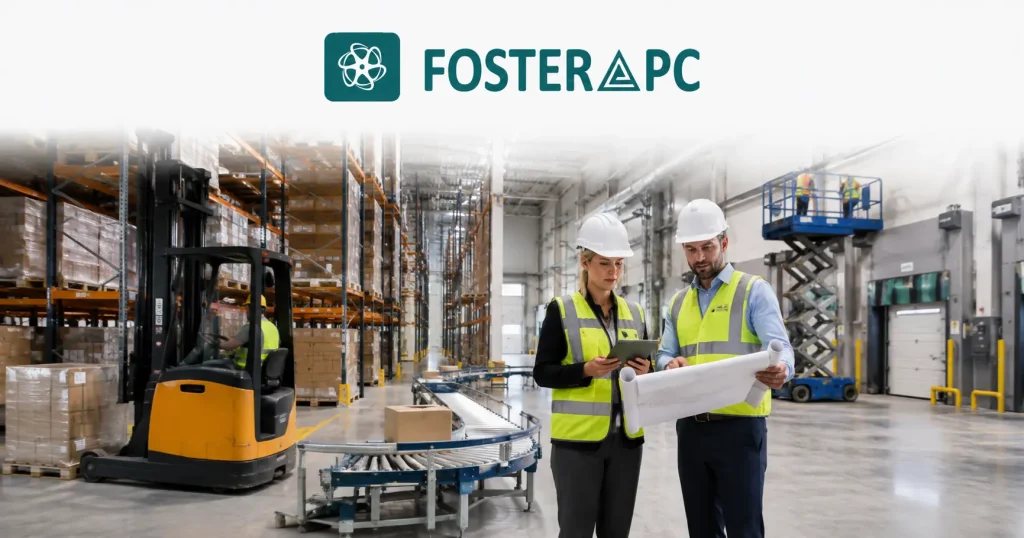
Warehouse equipment plays an important role in storing materials, moving goods, and keeping construction and logistics projects on schedule. The right equipment helps teams handle heavy loads, use storage space efficiently, and reduce manual work.
Choosing suitable equipment depends on the materials being handled, available space, load capacity, project duration, and working conditions. This guide covers common warehouse equipment, its uses, and the factors to consider when selecting it for your project.
What Is Warehouse Equipment?
Warehouse equipment includes the tools, machines, and storage systems used to receive, store, organize, move, and dispatch materials. In construction and logistics, this equipment helps workers manage building supplies, machinery parts, packaged goods, and other materials safely and efficiently.
Common examples include forklifts, pallet jacks, industrial shelving, pallet racking, material handling carts, and lifting equipment.
Types of Warehouse Equipment for Construction and Logistics
Different projects require different equipment based on their size, materials, and daily operations.
1. Forklifts
Forklifts lift and transport heavy loads over short distances. They are commonly used to move pallets, construction supplies, equipment parts, and packaged goods.
Best for: Warehouses handling heavy pallets, bulk materials, and frequent loading or unloading.
When choosing a forklift, consider its load capacity, lifting height, turning space, power source, and the surface on which it will operate. Electric models may suit indoor warehouses, while some internal combustion models are designed for outdoor work.
2. Pallet Jacks
Pallet jacks move palletized goods across warehouse floors. Manual models work well for shorter distances and lighter workloads, while powered pallet jacks can reduce physical effort in busy facilities.
Best for: Moving supplies between storage areas, loading zones, and picking stations.
Check the rated capacity, pallet size, floor condition, and turning space before selecting a pallet jack.
3. Pallet Racking and Industrial Shelving
Storage systems help businesses organize inventory and make better use of warehouse space.
- Pallet racking: Stores palletized goods at different heights and supports organized inventory access.
- Industrial shelving: Holds smaller items, tools, spare parts, and supplies.
- Cantilever racking: Stores long or bulky materials, such as pipes, timber, and metal sections, when designed for those loads.
Choose a storage system based on the size, weight, shape, and turnover rate of the materials. Racking must be rated for the intended loads and installed according to the manufacturer’s requirements.
4. Material Handling Carts and Trolleys
Carts and trolleys help workers transport tools, boxes, components, and smaller supplies without carrying them by hand over long distances.
Best for: Tool storage, order picking, maintenance areas, and moving small materials around a site or warehouse.
Consider wheel type, handle design, load capacity, and whether the cart will be used on smooth floors or rougher surfaces.
5. Hoists and Lifting Equipment
Hoists and other lifting equipment raise or lower heavy materials in controlled environments. Depending on their design, they can support warehouse maintenance, equipment installation, and construction material handling.
Best for: Tasks requiring vertical lifting where manual handling is unsuitable.
Always check the rated capacity, lifting height, mounting arrangements, inspection requirements, and suitability for the specific task. Only trained and authorized personnel should operate lifting equipment.
6. Conveyor Systems
Conveyors move goods along a fixed route, reducing the need to transport each item manually. They are useful in distribution centers, packing facilities, and warehouses with regular material flows.
Best for: High-volume operations that repeatedly move boxes, packages, or suitable materials between workstations.
The conveyor type should match the size, weight, shape, and handling requirements of the goods. Guarding and emergency stop systems should be provided where required.
How to Choose the Right Warehouse Equipment
The right equipment should match your project’s actual requirements rather than simply its size or budget.
Assess the Materials and Load Capacity
Identify what you need to store or move. Palletized goods, long steel sections, construction tools, and fragile packages require different handling methods.
Check the weight and dimensions of the heaviest expected load. Equipment must remain within its rated capacity, including any relevant attachments.
Consider Warehouse Layout and Available Space
Measure aisle widths, ceiling height, doorways, loading areas, and storage locations before buying equipment.
For example, a forklift may require wider turning space than a pallet jack. High-level racking also requires equipment that can safely reach the intended storage height.
Match Equipment to Project Duration
Short-term construction projects may benefit from equipment rental, particularly when requirements change between project stages. Long-term warehouses with regular workloads may benefit from purchasing equipment that will be used frequently.
Compare rental rates, maintenance, transport, operator requirements, and expected usage before deciding.
Evaluate Operating Costs
The purchase price is only one part of the total cost. Consider:
- Fuel or electricity consumption
- Routine servicing and repairs
- Replacement parts
- Operator training
- Equipment transport and storage
- Downtime and maintenance support
A lower initial price may not result in a lower overall cost if the equipment requires frequent repairs or does not meet operational needs.
Check Site Conditions
Construction sites may have uneven ground, dust, moisture, and changing access routes. Warehouse floors may have load limits, narrow aisles, or restricted operating areas.
Choose equipment specifically designed for the conditions in which it will be used. Indoor warehouse equipment should not automatically be assumed suitable for outdoor construction environments.
Warehouse Equipment Safety Considerations
Safe equipment use protects workers, materials, and daily operations. Before introducing equipment into a warehouse or construction site, establish clear operating procedures.
Key precautions include:
- Train operators: Ensure workers are trained and authorized for the equipment they use.
- Inspect equipment: Check brakes, wheels, forks, lifting chains, controls, and other safety-critical parts according to manufacturer guidance.
- Respect load limits: Never exceed rated capacity or use equipment for tasks it was not designed to perform.
- Keep routes clear: Separate pedestrian walkways from vehicle routes where practical.
- Secure stored materials: Install and use racking according to its specifications, and inspect it for damage.
- Maintain visibility: Use appropriate lighting, warning systems, and clear signs in busy areas.
- Follow maintenance schedules: Remove damaged equipment from service until it has been assessed and repaired.
Specific legal requirements vary by location and equipment type, so follow applicable workplace safety regulations and manufacturer instructions.
Renting vs. Buying Warehouse Equipment
The best option depends on how often the equipment is needed, the project timeline, and available maintenance resources.
| Factor | Renting | Buying |
|---|---|---|
| Project duration | Often suitable for short-term needs | Often suitable for ongoing operations |
| Initial cost | Usually lower upfront commitment | Higher upfront investment |
| Maintenance | Depends on the rental agreement | Usually the owner’s responsibility |
| Equipment flexibility | Easier to change equipment between projects | Depends on the owned fleet |
| Long-term use | Costs can accumulate over time | May be more economical with regular use |
Before making a decision, compare the full cost over the expected period of use. Rental agreements should also clarify delivery, servicing, damage, insurance, and operator responsibilities.
Frequently Asked Questions
What equipment is commonly used in warehouses?
Common warehouse equipment includes forklifts, pallet jacks, pallet racking, industrial shelving, material handling carts, hoists, and conveyor systems. The appropriate choice depends on the materials, storage layout, and volume of work.
What equipment is best for construction material handling?
The best equipment depends on the material and site conditions. Forklifts can move palletized supplies, suitable hoists can lift heavy items, and material handling carts can transport tools and smaller components. Rough-terrain equipment may be needed for certain outdoor conditions.
How do I choose warehouse equipment for heavy loads?
Start by confirming the load’s weight, dimensions, lifting height, and handling method. Compare these requirements with the equipment’s rated capacity and operating limits. Also consider floor strength, available space, and operator training.
Is it better to rent or buy warehouse equipment?
Renting may suit short-term projects or changing requirements. Buying may be more practical when equipment is needed regularly over a long period. Compare total operating costs, maintenance, transport, and expected usage before deciding.
How can warehouse equipment improve efficiency?
Suitable equipment can reduce unnecessary movement, support faster loading and unloading, improve inventory access, and reduce manual handling. Benefits depend on proper equipment selection, warehouse layout, worker training, and maintenance.
What safety measures are important when using warehouse equipment?
Important measures include operator training, routine inspections, respecting load limits, maintaining clear routes, securing stored materials, and following manufacturer instructions. Damaged equipment should not be used until it has been assessed and repaired.
What is the difference between material handling equipment and storage equipment?
Material handling equipment moves, lifts, or transports goods. Examples include forklifts, pallet jacks, and conveyors. Storage equipment keeps materials organized and accessible, such as pallet racking, industrial shelving, and storage bins.
Conclusion
Warehouse equipment supports the storage, movement, and handling of materials across construction and logistics projects. Forklifts, pallet jacks, racking systems, carts, hoists, and conveyors each serve different purposes.
To choose the right equipment, assess load requirements, warehouse layout, site conditions, safety needs, project duration, and operating costs. Matching equipment to these requirements helps create a more organized and safer working environment while supporting efficient daily operations.